
Newsletter Subscribe
Enter your email address below and subscribe to our newsletter
Enter your email address below and subscribe to our newsletter

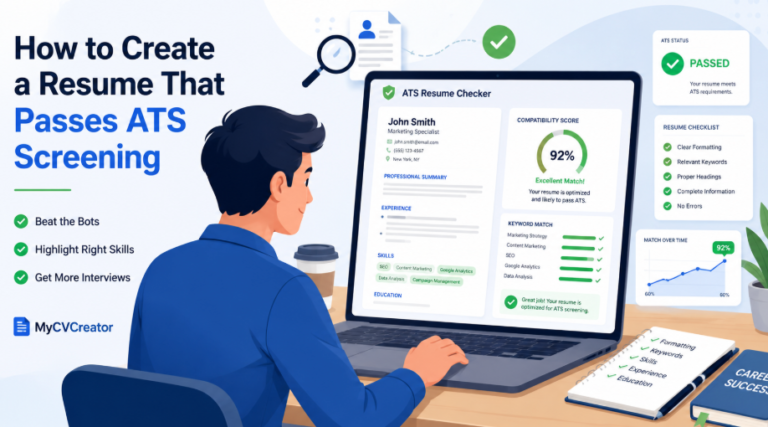
Submitting a resume online is now one of the most common ways to apply for jobs. But before your resume reaches a hiring manager, it often goes through an Applicant Tracking System, commonly known as ATS. This software helps employers…
 ByJohn A
Crypto in e-commerce offers a decentralized settlement layer that can reduce processing fees and shorten finalization times, while enabling transparent, programmable settlements. Data-driven models help balance volatility, settlement speed, and compliant fee structures. Adoption hinges on streamlined onboarding, AML/KYC controls,…
ByJohn A
Crypto in developing countries presents a practical alternative to traditional rails, with potential for lower costs and expanded inclusion. Evidence suggests benefits hinge on access to reliable infrastructure, interoperability, and governance trusted by users. Yet regulatory uncertainty and accessibility gaps…
ByJohn A
Liquidity pool earnings come from trading fees and, in some cases, liquidity mining rewards. Returns hinge on pool activity, fee structure, and the asset ratio, which shifts with price moves and can create impermanent loss. Token volatility and governance changes…
ByJohn A
Crypto winter exposes how disciplined capital allocation and data-driven risk controls matter more than hype. Metrics, audits, and governance become guiding constants as liquidity and cyclic demand shift. Durable code, secure processes, and transparent incident drills temper volatility with resilience.…
ByJohn A
FinTech innovations in developing countries are expanding financial inclusion through microfinance with equitable underwriting and digital wallets that lower costs. Mobile money platforms extend reach to underserved areas, while alternative credit models broaden loan opportunities. A resilient ecosystem—centered on policy…
ByJohn A
Digital transformation reshapes FinTech by accelerating data-driven decisions and expanding platform ecosystems. Real-time data powers credit, fraud protection, and personalized experiences at scale, while governance anchors trust, ethics, and transparency across ecosystems. Modular services, interoperable APIs, and partnerships widen inclusion…
ByJohn A
FinTech expands financial inclusion by delivering scalable, low-cost services to underserved populations. Digital wallets lower travel needs and branch dependence, increasing autonomy in rural and underbanked areas. AI-driven underwriting promises fairer access for small businesses and workers, while data governance…
ByJohn A